Streaming
Schweiz · CHKeine inklusive CH-Verfügbarkeit gefunden.
Noch kein Link vorhanden
Hanabusa's oprechte portret breidt zich uit van het verhaal van een ouderwets familiebedrijf dat concurreert met bedrijfssupermarkten, naar een subtiele en verfijnde kritiek op sociale uitsluiting en het voortbestaan van oude vooroordelen.
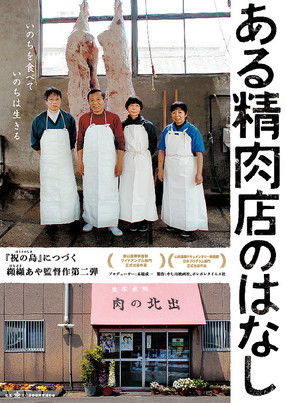
The Kitades run a butcher shop in Kaizuka City outside Osaka, raising and slaughtering cattle to sell the meat in their store. The seventh generation of their family's business, they are descendants of the buraku people, a social minority held over from the caste system abolished in the 19th century that is still subject to discrimination. As the Kitades are forced to make the difficult decision to shut down their slaughterhouse, the question posed by the film is whether doing this will also result in the deconstruction of the prejudices imposed on them. Though primarily documenting the process of their work with meticulous detail, Aya Hanabusa also touches on the Kitades' participation in the buraku liberation movement. Hanabusa's heartfelt portrait expands from the story of an old-fashioned family business competing with corporate supermarkets, toward a subtle and sophisticated critique of social exclusion and the persistence of ancient prejudices.
Keine inklusive CH-Verfügbarkeit gefunden.
Im aktuellen EPG ist keine Ausstrahlung gefunden.
Im aktuellen Kinoprogramm ist kein Termin gefunden.
Nach dem Login siehst du hier deine eigene Ausgabe.
The Kitades run a butcher shop in Kaizuka City outside Osaka, raising and slaughtering cattle to sell the meat in their store. The seventh generation of their family's business, they are descendants of the buraku people, a social minority held over from the caste system abolished in the 19th century that is still subject to discrimination. As the Kitades are forced to make the difficult decision to shut down their slaughterhouse, the question posed by the film is whether doing this will also result in the deconstruction of the prejudices imposed on them. Though primarily documenting the process of their work with meticulous detail, Aya Hanabusa also touches on the Kitades' participation in the buraku liberation movement. Hanabusa's heartfelt portrait expands from the story of an old-fashioned family business competing with corporate supermarkets, toward a subtle and sophisticated critique of social exclusion and the persistence of ancient prejudices.
«Hanabusa's oprechte portret breidt zich uit van het verhaal van een ouderwets familiebedrijf dat concurreert met bedrijfssupermarkten, naar een subtiele en verfijnde kritiek op sociale uitsluiting en het voortbestaan van oude vooroordelen.»









 Datenschutz
 佐久間順平
 鵜飼邦彦